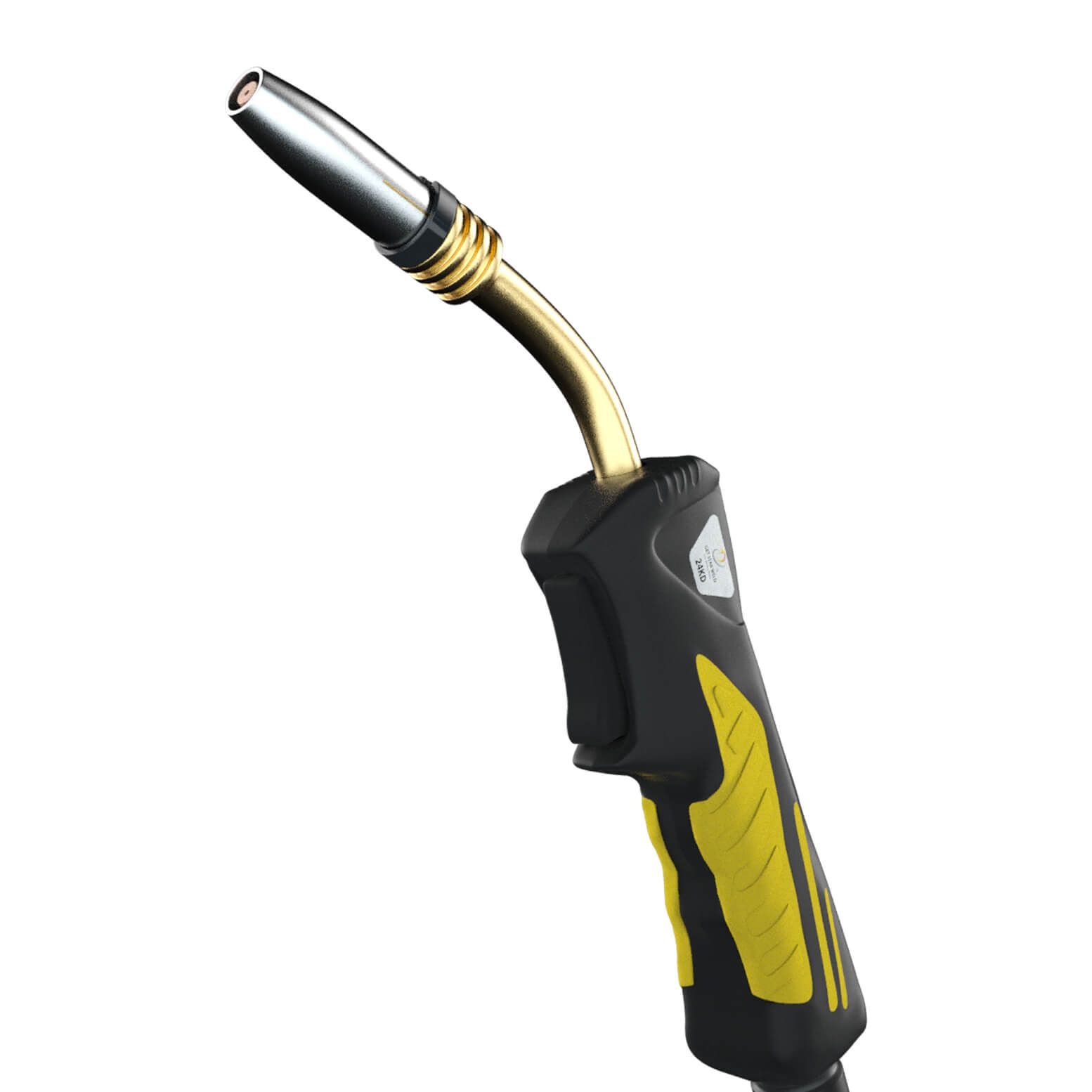
Welcome to Get Star Weld!

Welcome to Get Star Weld!
09 Jun, 2026
If the quality of your welds is a critical element of your production line, choosing the right torch is not a minor procurement decision — it is a business decision. From automotive fabrication shops to structural steel companies and precision manufacturers, the welding torch you select has a direct impact on output quality, operator safety, and long-term cost efficiency. Yet many B2B buyers still approach this purchase the wrong way. They prioritize price over performance specifications, and choose a welding torches manufacturer based on availability rather than capability.
This guide explains what separates a high-performing welding torch from a mediocre one — so your next sourcing decision is the right one.
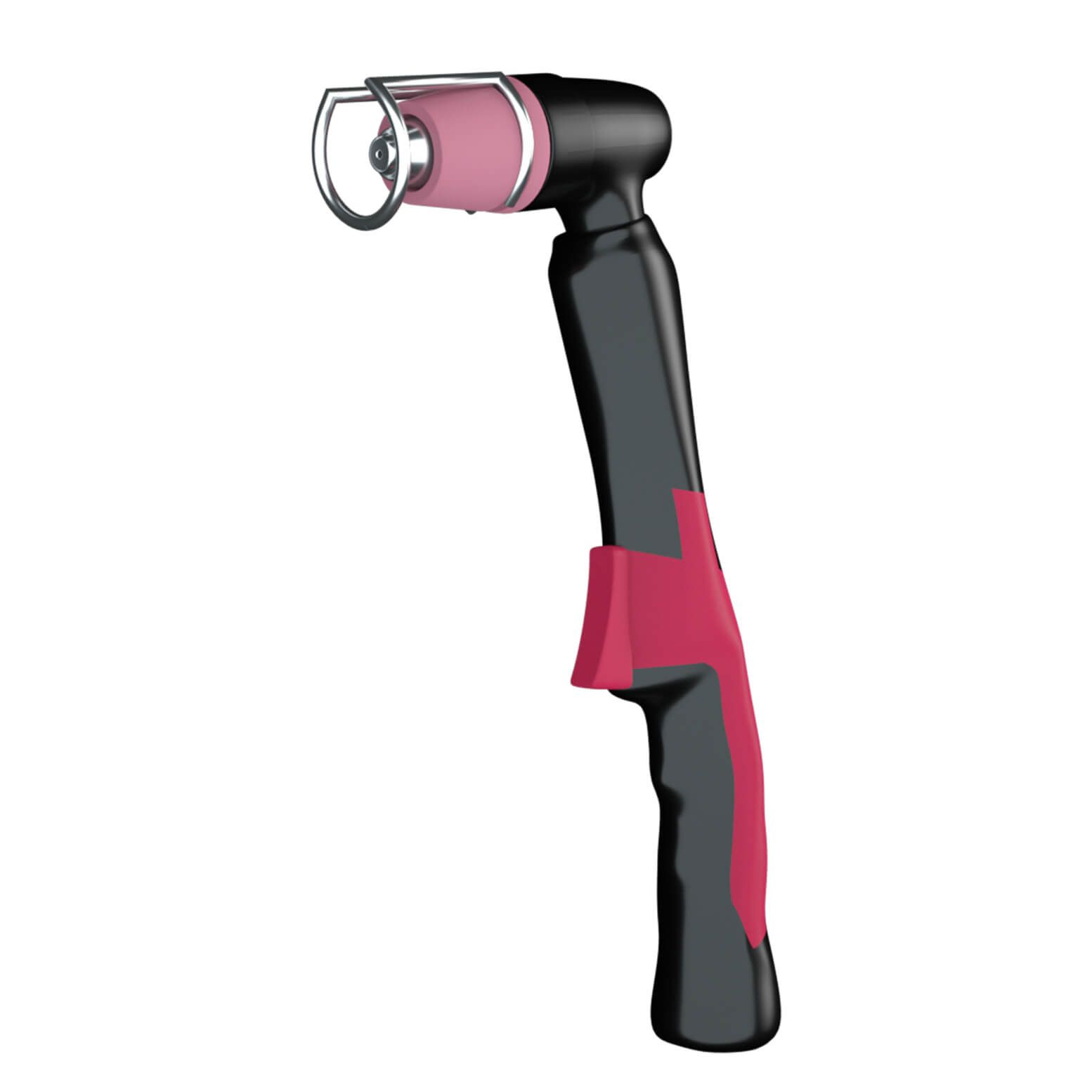
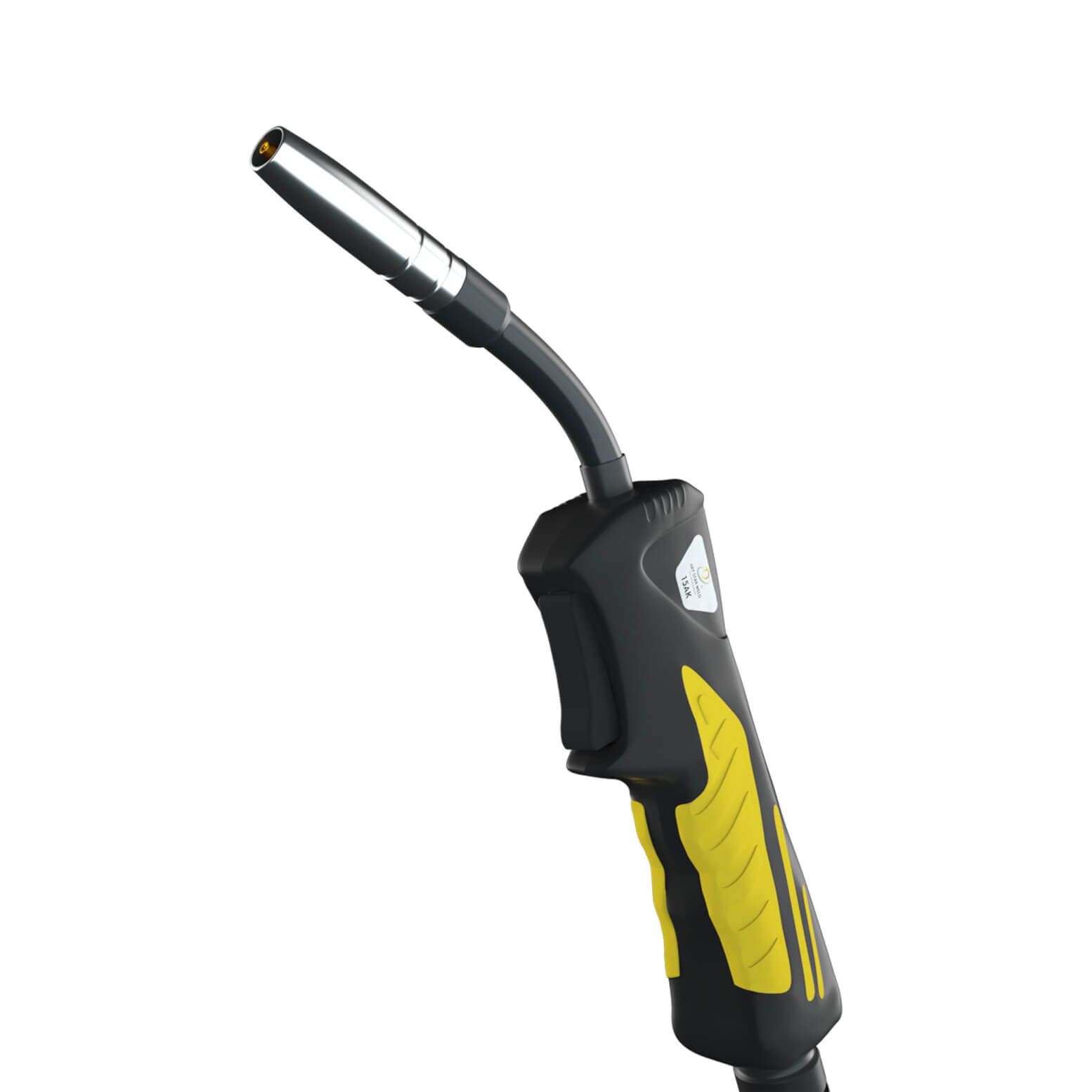
A welding torch does more than generate heat. It regulates arc stability, controls wire feed (in MIG applications), manages gas coverage, and affects operator comfort — all of which directly influence bead quality and rework rates.
Even a 5% reduction in defect rates can translate into significant savings when welding at industrial volume. This is why torch selection should be a strategic procurement decision, not a routine one.
Before evaluating any welding torch manufacturer, confirm which torch type matches your application:
|
Feature |
MIG Torch |
TIG Torch |
Oxy-Fuel Torch |
|
Best For |
High-volume production |
Precision & thin metals |
Cutting & brazing |
|
Ease of Use |
Easy |
Moderate |
Easy to moderate |
|
Material Range |
Steel, stainless, aluminum |
All metals |
Steel, cast iron |
|
Typical Industry |
Automotive, fabrication |
Aerospace, food-grade |
Construction, HVAC |
Each torch type carries different consumable requirements, maintenance schedules, and performance standards. Ensure your chosen manufacturer specializes in the type most relevant to your operations.
Even among established welding torch manufacturers, build quality varies significantly. Evaluate these five performance factors before making a sourcing decision:
The duty cycle indicates how long a torch can operate continuously without overheating. For industrial use, a minimum of 60% at rated amperage is standard. Heavy-duty applications often require 100%.
Always match torch amperage to your welding process. An undersized torch will overheat quickly; an oversized one reduces operator control. Cross-reference this spec with your Welding Procedure Specifications (WPS).
Air-cooled torches suit standard production environments and are easier to maintain. Water-cooled torches are designed for sustained high-amperage use — they run cooler, last longer, and are preferred in aerospace and heavy fabrication settings.
Operators use torches for extended periods. Poor ergonomics cause fatigue, which leads to inconsistent welds. A reliable welding torch manufacturer should offer balanced weight distribution, soft grip handles, and flexible cables that reduce operator strain over long shifts.
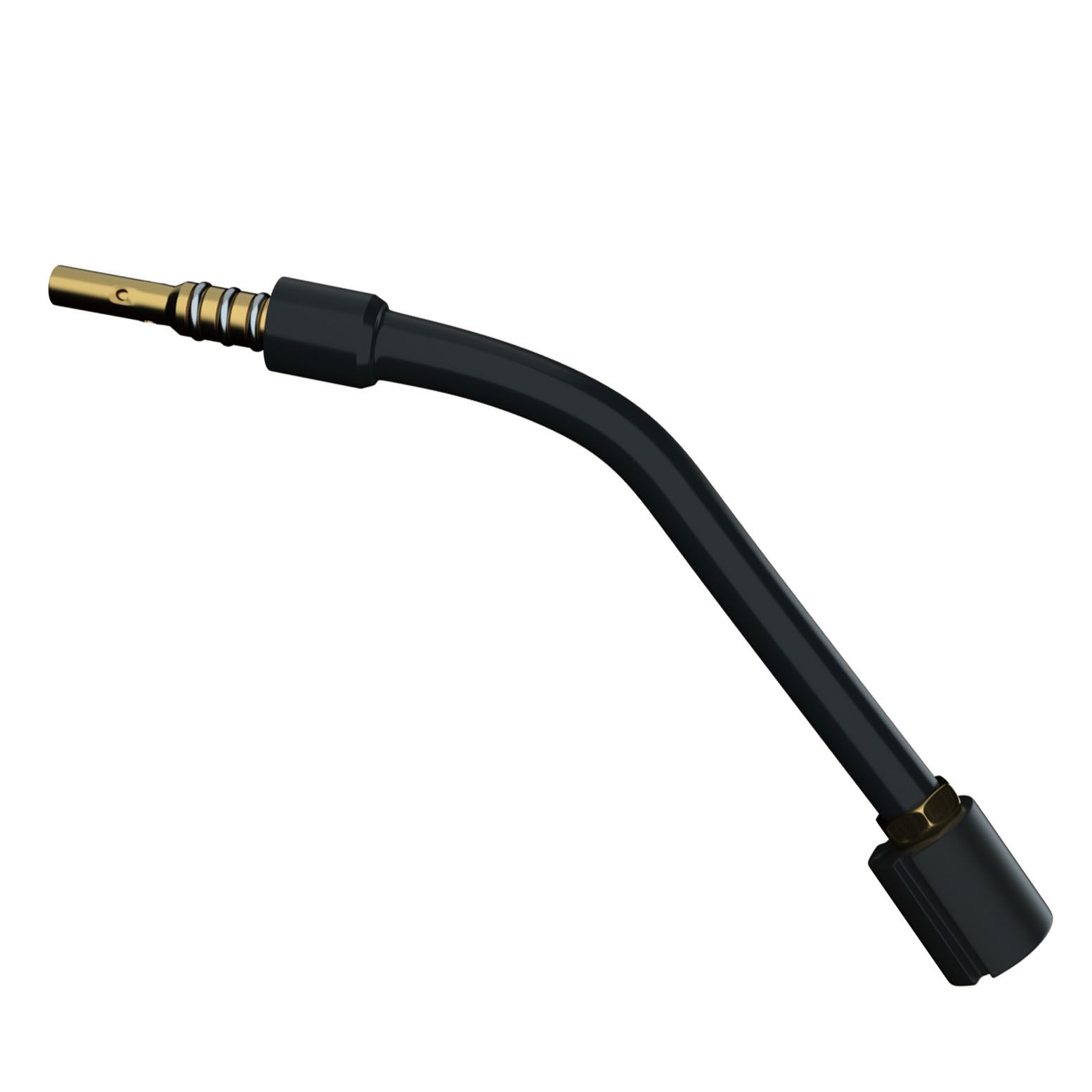
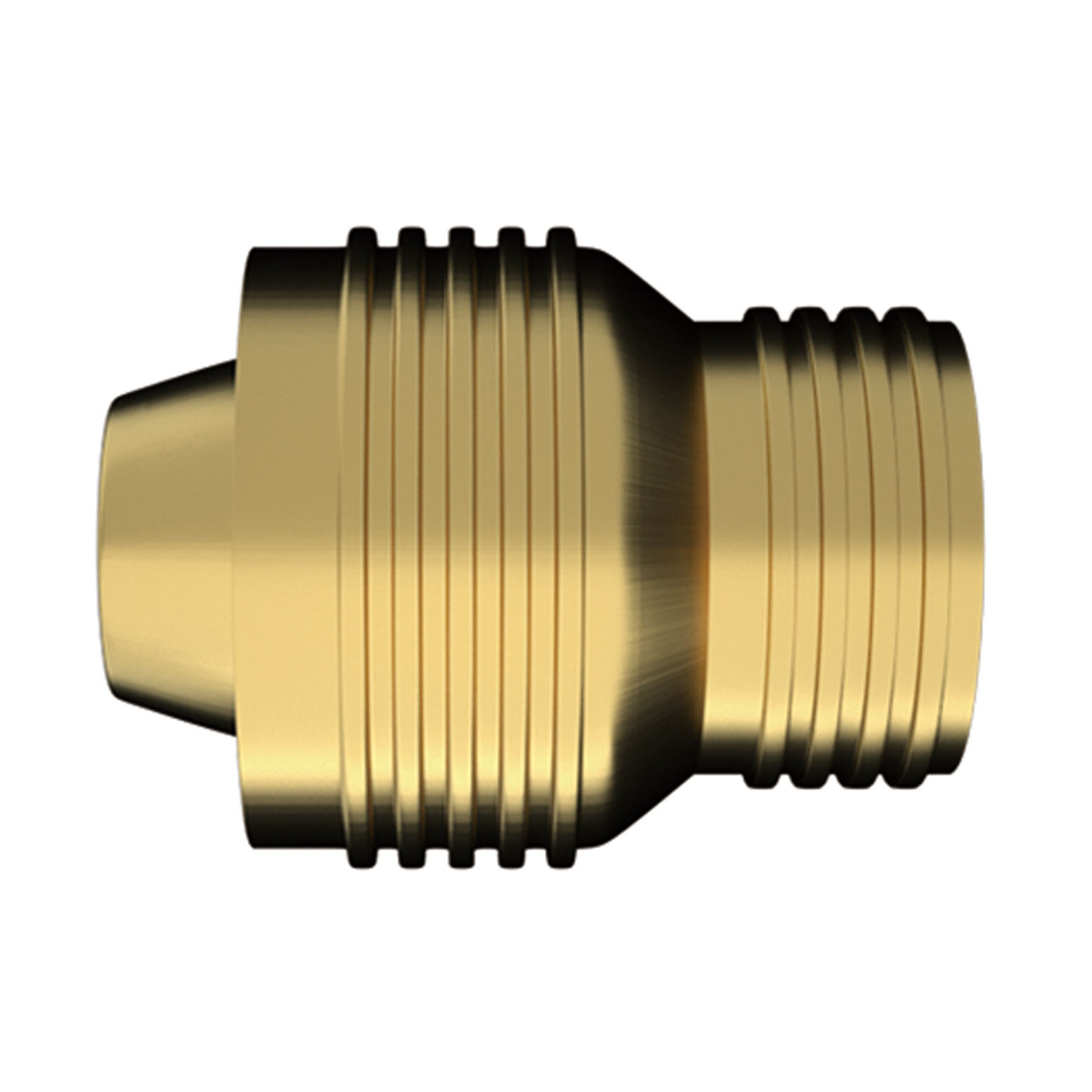
Tips, nozzles, and liners require regular replacement. If your supplier cannot guarantee a consistent consumable supply chain, you risk costly production downtime. Verify availability before committing to a manufacturer.
Selecting the right manufacturer is just as important as selecting the right torch model. A reliable B2B supplier should demonstrate:
A credible welding torch manufacturer will readily provide test reports, certifications, and customer testimonials. Hesitation on any of these is a red flag.
These are the procurement pitfalls that repeatedly cost businesses time and money:
Use this checklist when evaluating vendors:
Choosing the right welding torch is about more than getting the job done. It is about efficiency, safety, and building a production process that can scale.
The best welding torches combine the right amperage rating, duty cycle, cooling system, and ergonomic design — backed by a manufacturer with a proven track record of consistent quality.
Whether you are sourcing for the first time or re-evaluating an existing supplier, look for a welding torches manufacturer that genuinely understands your operational requirements and can deliver products that perform in real production environments, not just on a spec sheet.
Ready to Source Welding Torches That Perform? Partner with Get Star Weld — a professional welding torches manufacturer trusted by B2B businesses across industries worldwide.
For most industrial applications, a duty cycle of 60% or higher at rated amperage is recommended. Continuous heavy-duty welding environments may require 100% duty cycle torches.
Air-cooled torches are simpler, lower maintenance, and suited to standard production. Water-cooled torches are better for sustained high-amperage welding — they operate at lower temperatures and offer a longer service life.
Check the torch's rated amperage and connector type against your welder's output specifications and your Welding Procedure Specifications (WPS). Always confirm compatibility with your supplier before ordering.
Sample testing lets you verify real-world performance against your specific materials, processes, and operator conditions — before committing to a large purchase that may be difficult to return or exchange.
Look for ISO quality management certification, CE marking (for European markets), and AWS compliance where relevant. Ask for documentation rather than taking certification claims at face value.
Lorem ipsum dolor sit amet, consectetur adipiscing elit. Suspendisse viverra mauris eget tortor.