Welcome to Get Star Weld!

Welcome to Get Star Weld!
06 May, 2026
This is one of the mistakes made by most buyers. They see the price tag, examine the amperage, possibly read two reviews - and they order it. Then, half a year later, the machine fails to work efficiently on more substantial plates, the consumables wear out sooner than anticipated, or the torch does not fit the workload. A plasma cutter is not a small purchase. In a B2B market, where you might be operating a fabrication store, a processing plant in the steel business, or a contracting business, the incorrect decision does not simply cost you money. It is time-consuming, affects the quality of output, and loses customer trust. This guide breaks down the key things that actually matter in 2026: power range, torch type, and consumables.
Before you think about brands or features, you need to understand power because it determines what machine can and cannot cut. There are usually three types of plasma cutters: light-duty (up to 40 amps), mid-range (40 80 amps), and heavy-duty (80 amps and above).
The actual error of the buyers is the choice of power according to the maximum capacity and not daily workload. You make 80 percent of your cuts on 10-16 mm; chances are that a 60A plasma cutter will better suit your needs than a 100A machine, with lower operating cost and better control at mid-range.
Duty cycle is equally important. A machine with a 60A rating and a 60% duty cycle will throttle more than an 80A rated machine with a 60% duty cycle. That variation in uptime is a direct influence on throughput in a production environment.
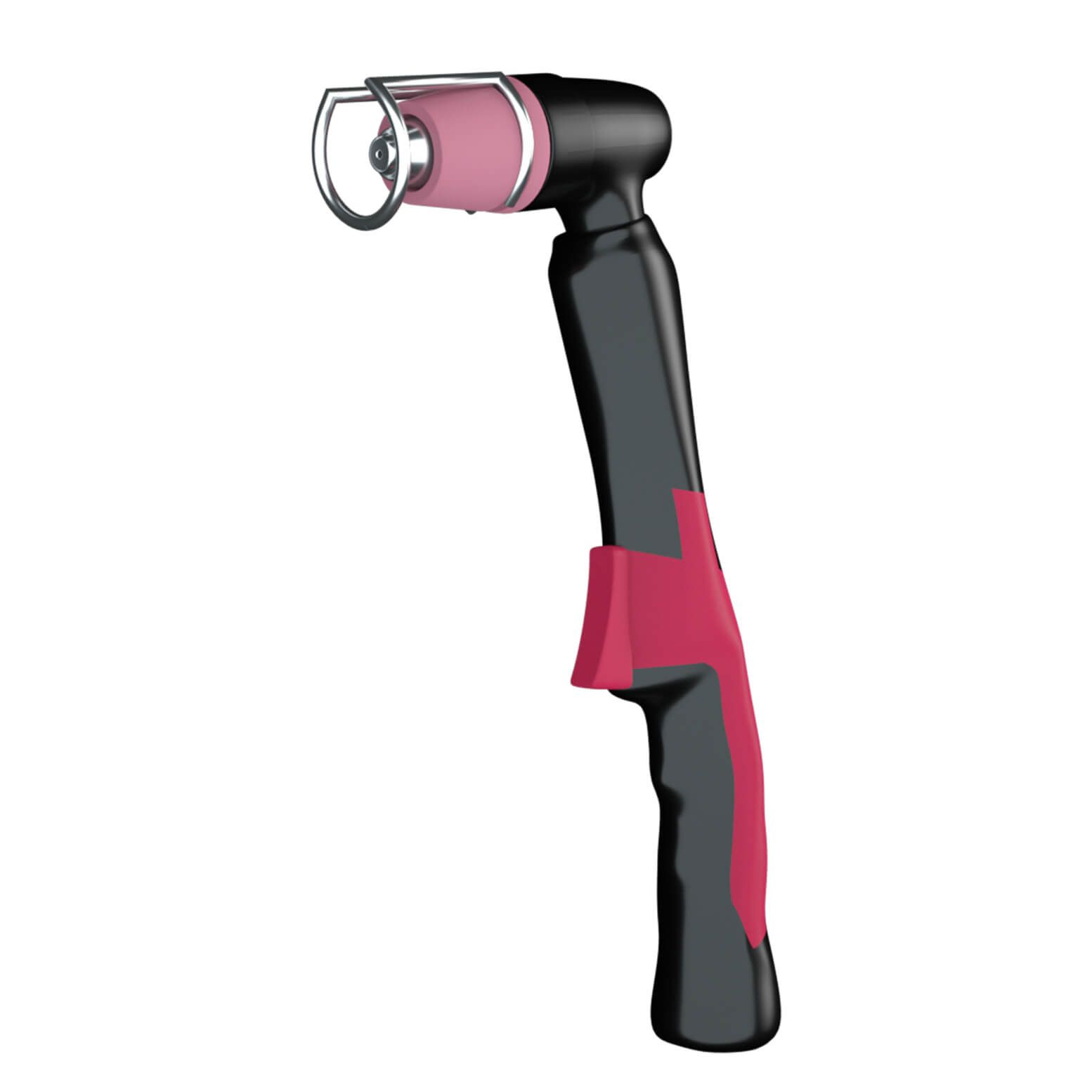
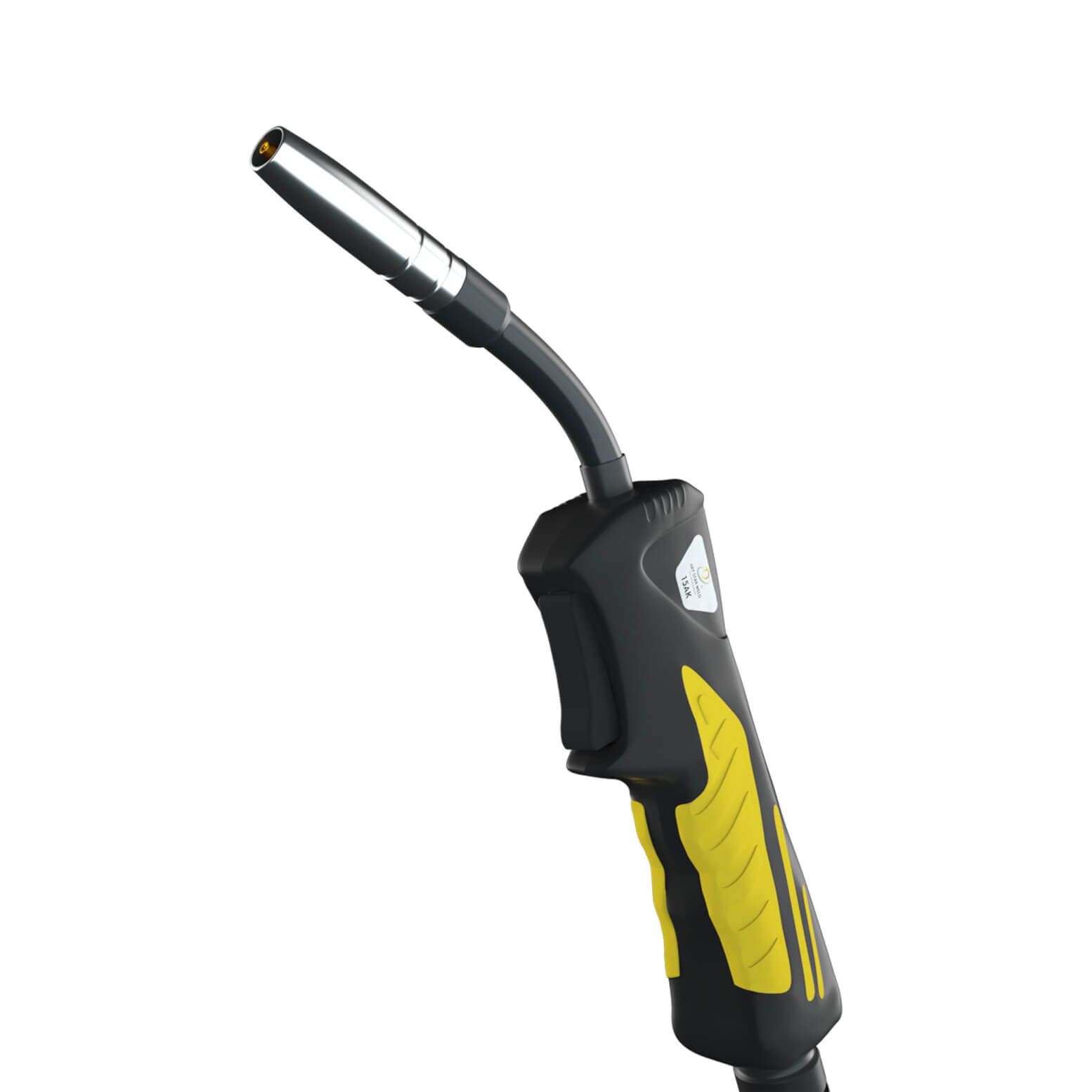
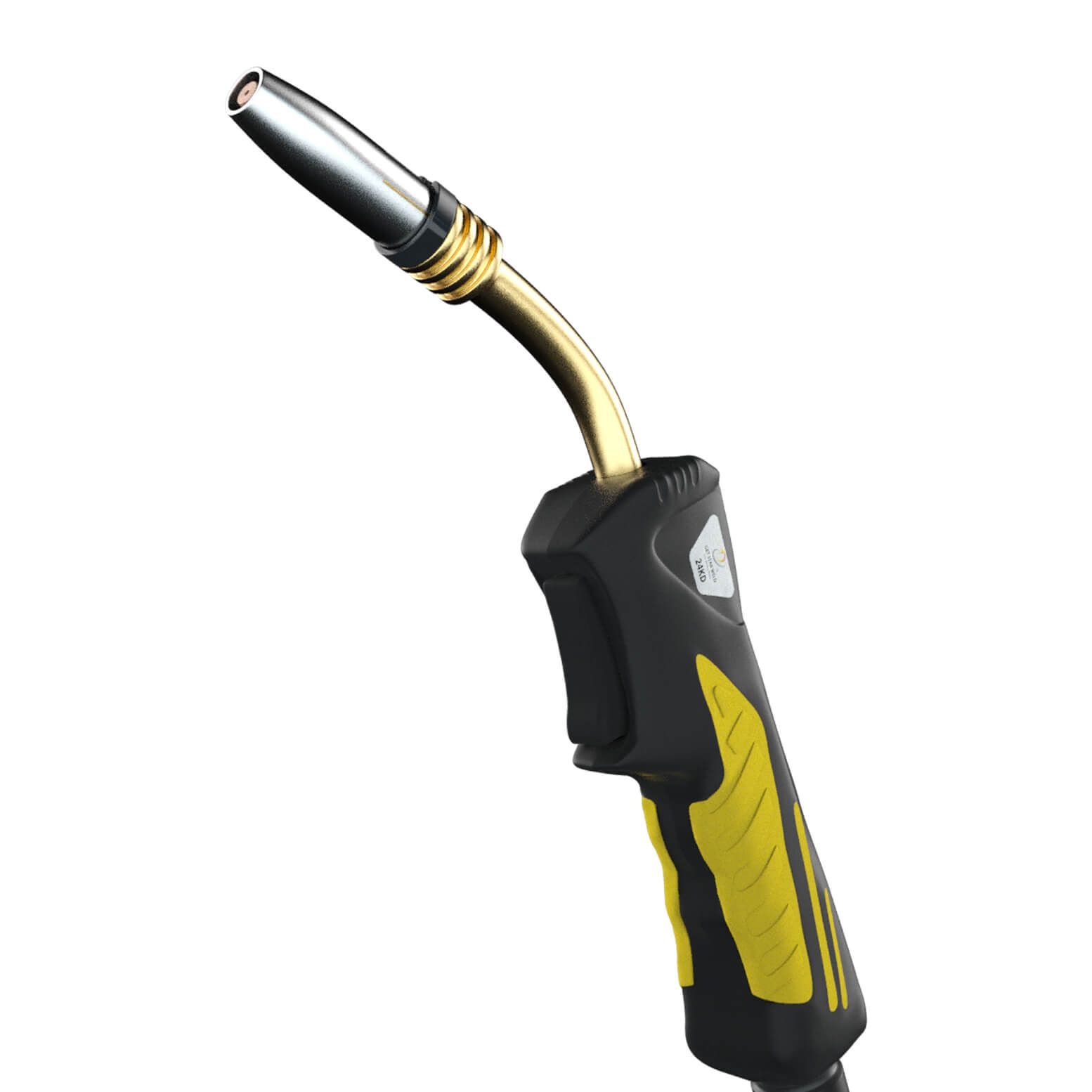
Plasma cutting machines in the modern era have two primary types of torches: hand and machine torches. Hand torches are made to be cut manually; they are comfortable, adjustable, and can be used to cut different shapes and positions. Machine torches have a different design that is designed to fit CNC plasma cutter systems and automated tables where the torch travels mechanically along a set path.
Some things you might want to know before making a decision:
Should you need both manual and automated cutting in your operation, a plasma cutting machine with removable torch heads should be considered. It brings flexibility without investing in a second machine.
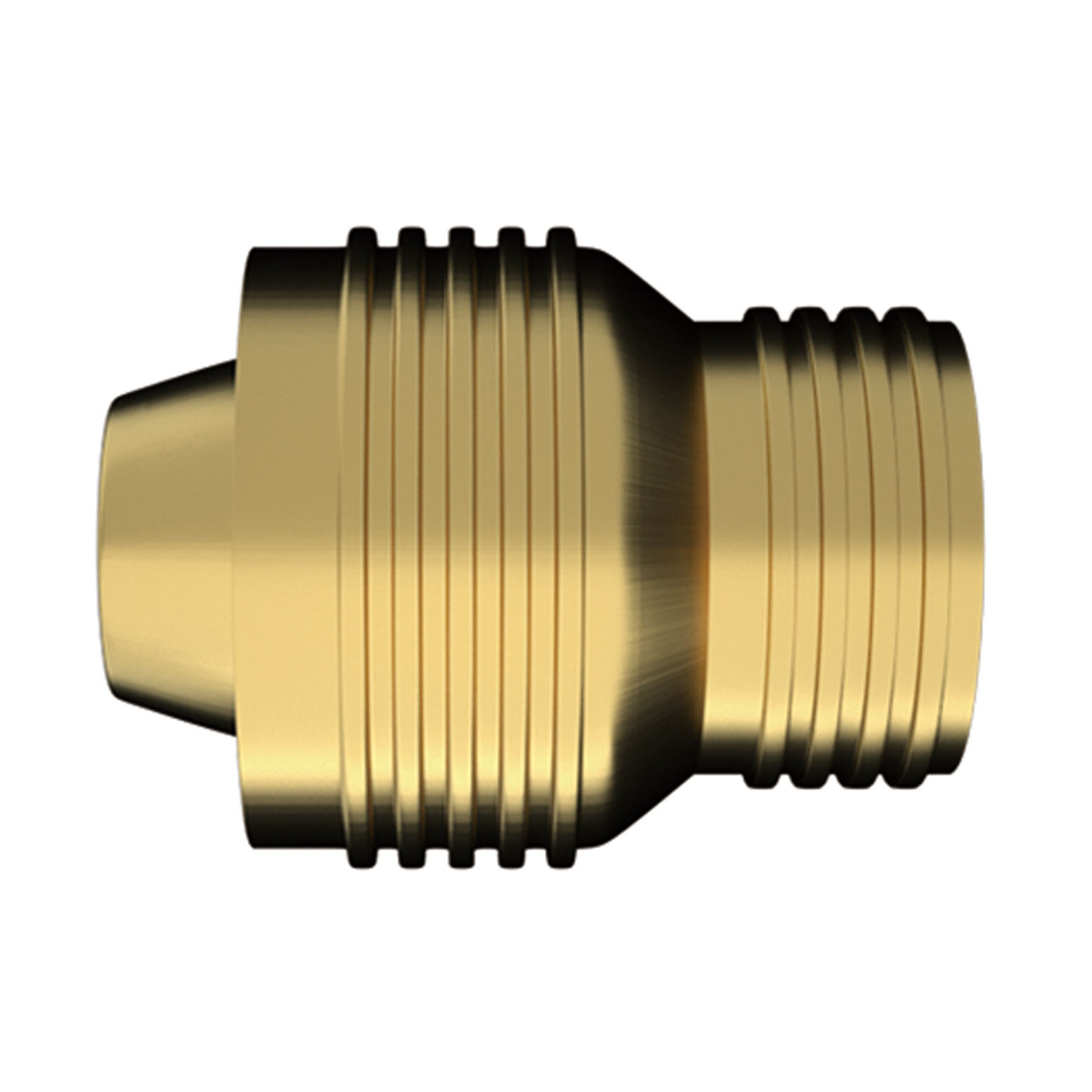
Here is one thing that does not often enter into the buying discussion but must always be in the limelight: consumables are a constant expense that can easily outshine the cost of the purchase of the machine in the long run. All plasma cutters use a combination of consumables, including electrode, nozzle, swirl ring, shield cap, and retaining cap. These are worn with each cut. Their wear rate is dependent on:
When considering a plasma cutter for metal fabrication, always examine:
An experienced B2B shopper considers the overall cost of ownership and not the list price. A plasma cutter priced 15% lower but with consumables that cost twice as much and last half as long is the more expensive machine over 12 months.
A good plasma cutter doesn't just cut metal — it cuts costs, reduces downtime, and keeps your production line moving. But the machine is only half the equation. It is equally important from whom you buy it.
Get Star Weld delivers industry-grade plasma cutters designed to perform serious fabrication tasks - with open-book pricing on consumables, technical help that picks up the phone, and machines that stand up in real manufacturing environments.
Ready to invest in a plasma cutter that plays as hard as your team does - connect with Get Star Weld today. Do not just purchase a plasma cutter. Buy the right one.
What amperage plasma cutter do I require for 1 inch of steel?
To cut clean and production-quality cuts on 1-inch (25mm) mild steel, you will usually require a minimum of 60-80 amps. To achieve consistent results within a speedy choice, an 80A machine is more secure.
Should small shops invest in a CNC plasma cutter?
Yes, when you have repetitive cutting jobs, templates, or volume jobs. A CNC plasma cutter eliminates operator variation and material waste and can be paid back in a short time in shops with steady workloads.
When should I change the consumables of a plasma cutter?
No time limit - it varies with use. Generally, the electrode and nozzle should be inspected every 1-2 hours of active arc time. Change the electrode when the depth of the electrode pit is more than 1.5 mm or when there is observable distortion of the nozzle orifice.
Is it possible to use a plasma cutter with stainless steel and aluminum?
Yes. The majority of mid-range and heavy-duty plasma cutting machines can work with stainless steel and aluminum.
Lorem ipsum dolor sit amet, consectetur adipiscing elit. Suspendisse viverra mauris eget tortor.